Long before golf became an Olympic sport. Long before Indian golfers began winning on international tours. Long before thousands of golfers teed off every weekend across the country.
The story of golf in India had already begun.
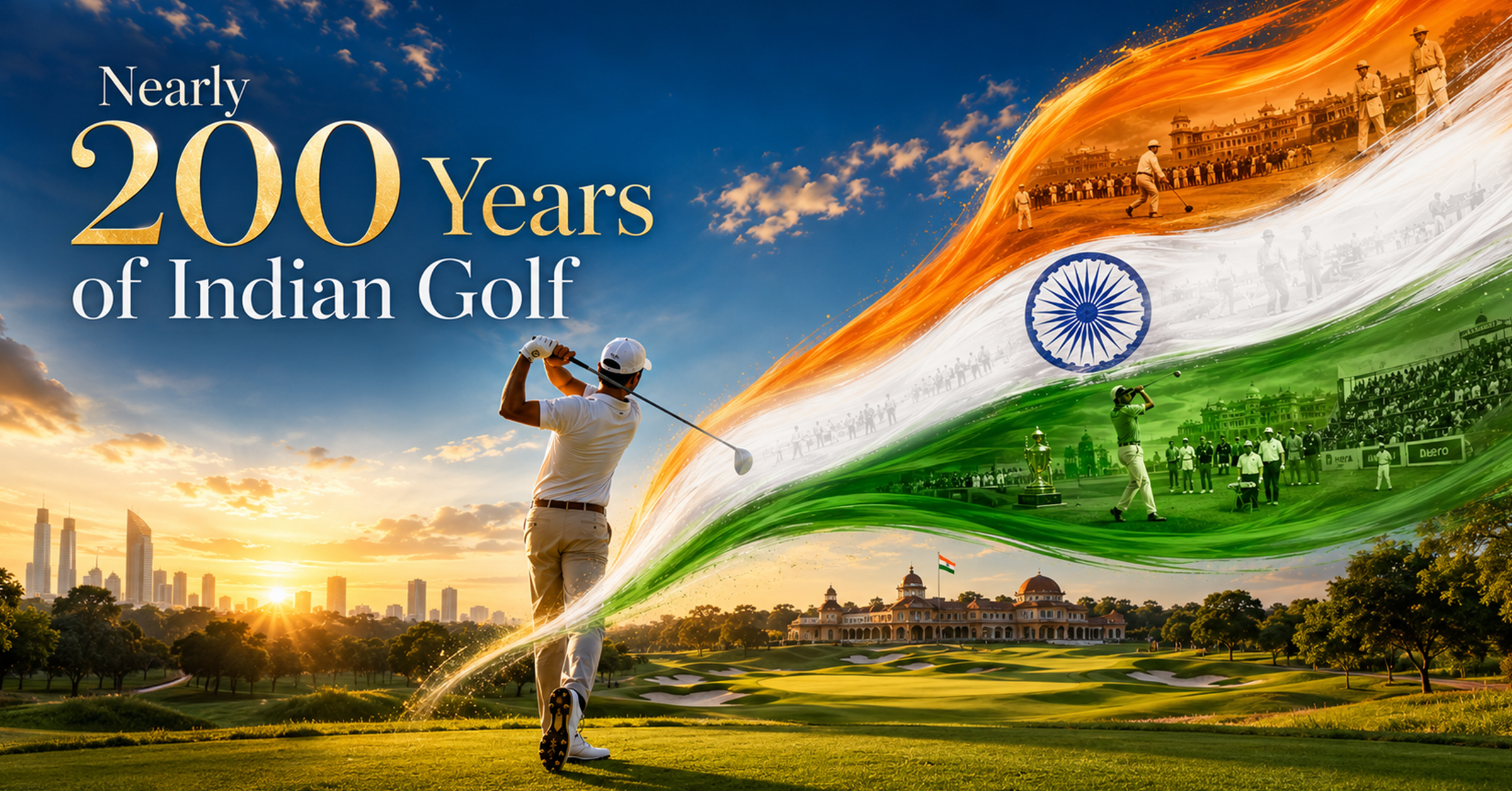
It is a journey that stretches back nearly 200 years, making India home to one of the richest golfing legacies in the world.
Where It All Began
In 1829, the Royal Calcutta Golf Club was established in Kolkata. Remarkably, it remains the oldest golf club outside Great Britain, a distinction that places India among the earliest nations to embrace the sport beyond its birthplace in Scotland. The club was originally known as the Calcutta Golf Club before receiving the “Royal” title in 1912 following a royal charter.
What began as a modest nine hole course soon evolved into one of the world’s most historic golfing institutions. It laid the foundation for organised golf in India and inspired the creation of courses across the country.
The Growth of the Game
As British cantonments and administrative centres expanded during the nineteenth century, golf travelled with them.
Courses began appearing in cities such as Bengaluru, Chennai, Mumbai, Lucknow, Shillong and Delhi. Many were built inside military establishments or civil stations, but over time they welcomed civilians, professionals and passionate amateurs.
Unlike many sports that required large stadiums, golf developed alongside India’s natural landscapes, creating courses that blended heritage, architecture and local ecology.
By the early twentieth century, golf had become firmly established in several regions of the country.
A National Identity for Indian Golf
For many decades, the Royal Calcutta Golf Club played a central role in administering competitive golf across India. As participation grew, there was a need for a dedicated governing body.
That vision became reality in 1955 with the formation of the Indian Golf Union. Beginning with just six affiliated clubs, the organisation now oversees nearly 200 golf clubs and has played a vital role in expanding junior golf, organising national championships and representing India internationally.
One milestone came in 1958 when the Amateur Golf Championship of India was staged outside Kolkata for the first time, reflecting the sport’s growing national footprint.
The Indian Open Changed Everything
In 1964, India launched its national open championship.
Today known as the Indian Open, the tournament became part of the Asia Golf Circuit in 1970 before joining the Asian Tour and later receiving co sanctioning from the European Tour. Over the decades, it has attracted some of the world’s finest golfers while providing Indian professionals with an international platform to showcase their talent.
The championship has also helped inspire generations of young golfers who dreamed of competing alongside the world’s best.
India’s Rise on the Global Stage
The twenty first century marked a turning point.
Indian golfers such as Jeev Milkha Singh, Arjun Atwal, Anirban Lahiri, Shiv Kapur, Gaganjeet Bhullar and SSP Chawrasia achieved victories on international tours, proving that Indian golf had evolved far beyond its colonial beginnings.
At the same time, Indian women made significant strides through the efforts of players including Aditi Ashok, whose performances at the Olympic Games inspired a new generation of golfers across the country.
Their success demonstrated that India could produce world class talent capable of competing on golf’s biggest stages.
Golf Today Is More Accessible Than Ever
Perhaps the biggest transformation has not been at the professional level but among everyday golfers.
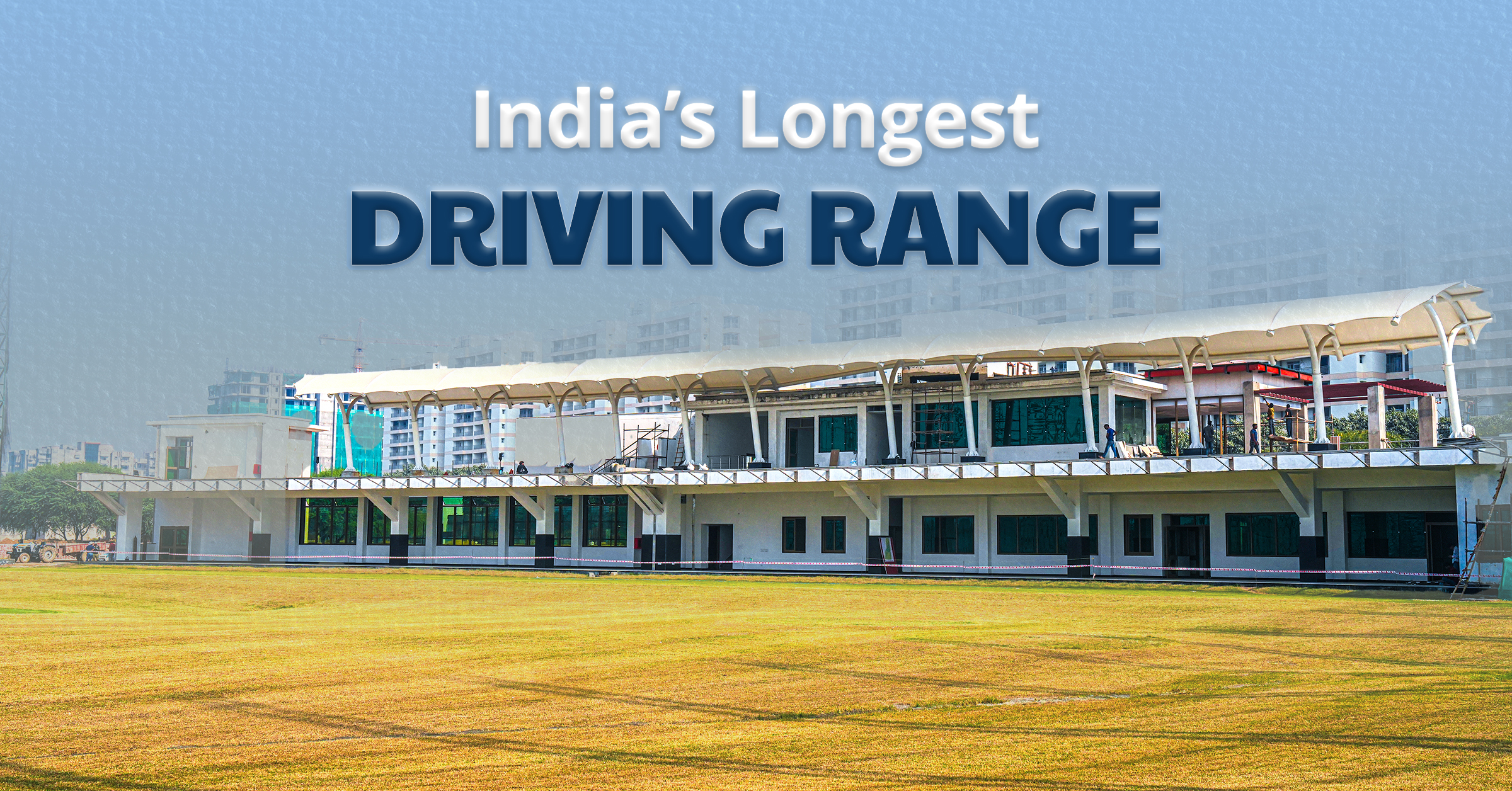
Modern public golf courses, golf academies, driving ranges, structured coaching programmes and digital tee time booking platforms have made the sport far more accessible than it was even two decades ago.
Families, juniors, corporate professionals and first time golfers are discovering that the game offers far more than competition. It offers fitness, networking, patience, strategy and a lifelong learning experience.
A New Chapter for Public Golf
Public golf facilities have become one of the strongest drivers of the game’s future in India.
By providing affordable access, quality infrastructure and welcoming environments, they introduce thousands of new players to the sport every year.
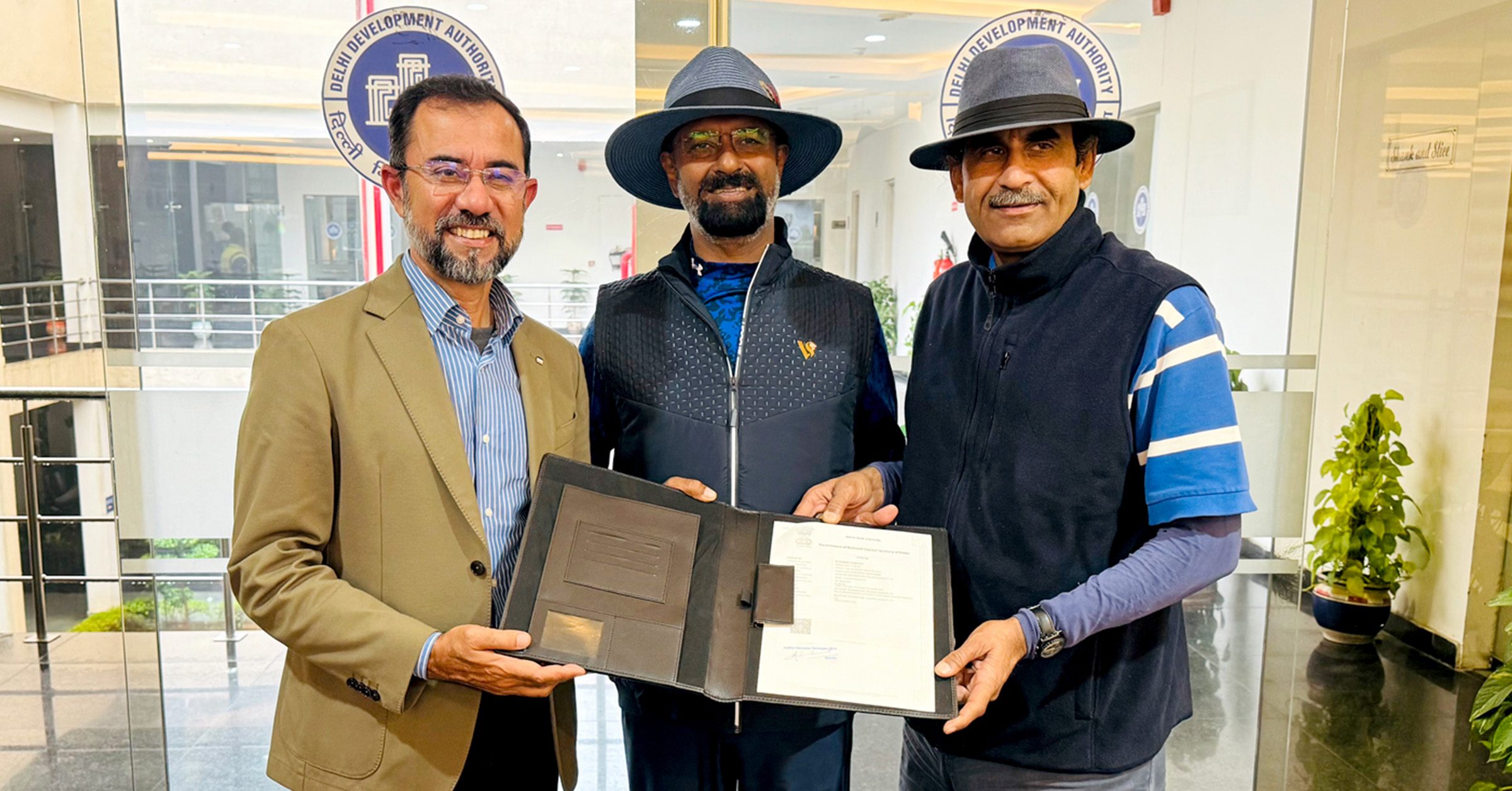
DDA Golf Course Dwarka proudly represents this new era. As one of India’s finest public golf destinations, it continues the legacy that began nearly two centuries ago while making golf more inclusive, more modern and more accessible for every generation.
The history of golf in India is not just a story of old clubs and famous tournaments.
It is the story of a game that has continually evolved while staying true to its timeless values of integrity, respect, patience and friendship.
And every golfer who walks onto the first tee today becomes part of that remarkable journey.