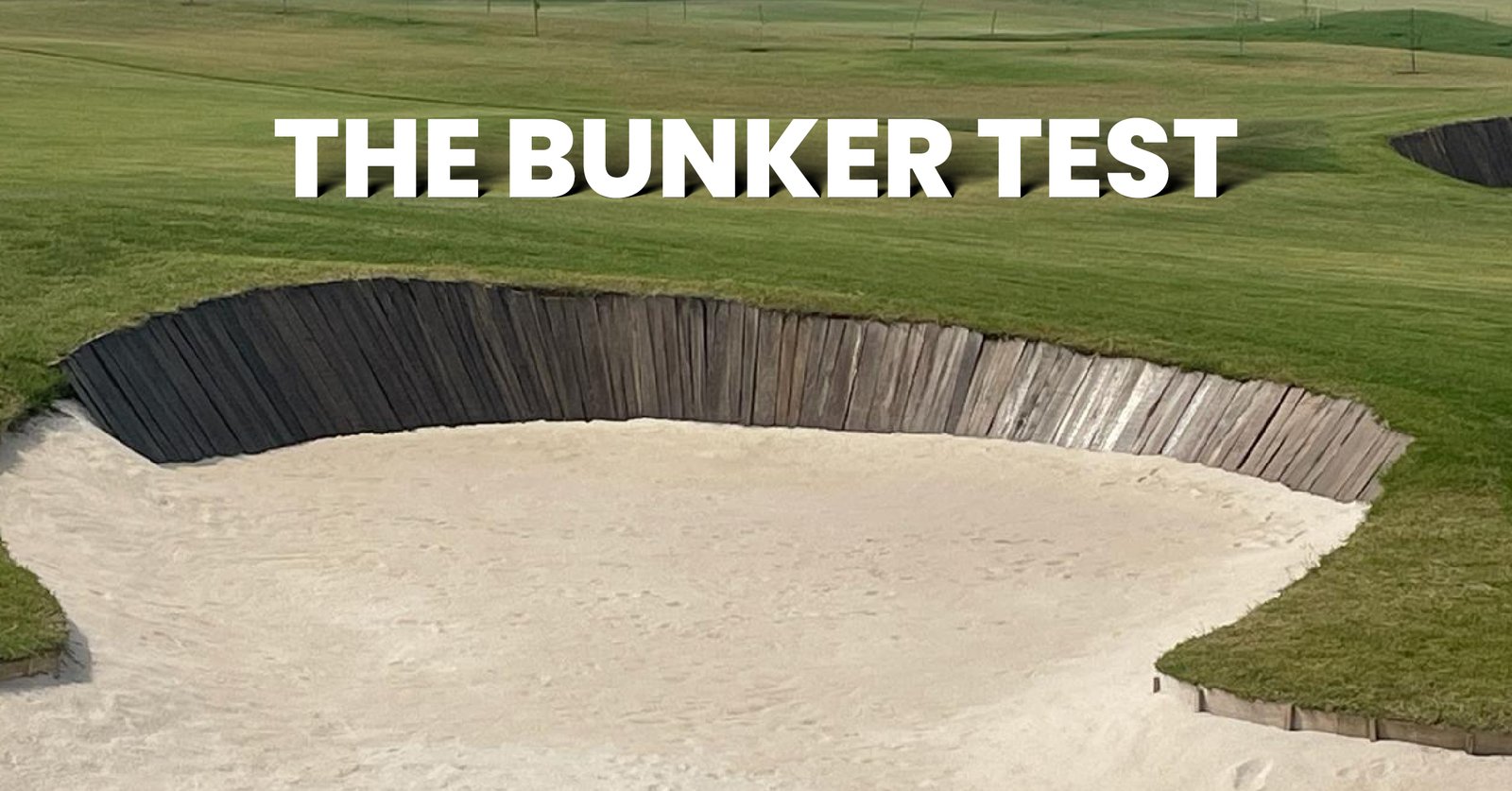
In golf, a bunker is never just an obstacle. It is a test of strategy, precision and composure that can change the course of a hole.
Every golfer knows the feeling. The ball is heading towards the green, the target is in sight, and then comes the dreaded landing in the sand. What looks like a minor detour can quickly turn into one of the most challenging moments of a round.
But bunkers are far more than hazards waiting to catch an errant shot. They are carefully positioned elements of golf course design that challenge players to think beyond distance and accuracy. They demand judgement, reward calculated decisions and remind golfers that the game is as much about strategy as it is about execution.
The Art of Playing Around the Sand
A bunker changes the way a golfer approaches a shot. Suddenly, the direct route may no longer be the smartest one. Players must assess the lie, judge the distance, consider the lip of the bunker and decide whether to attack the flag or play it safe.
Even experienced golfers can find themselves reconsidering their entire approach after landing in the sand. A greenside bunker requires a different technique from a fairway bunker, and each presents its own set of challenges.
From selecting the right club to controlling the trajectory and managing spin, escaping a bunker successfully requires a combination of technical skill and mental discipline.
The real challenge, however, often begins before the ball reaches the sand.
Course Management Begins Before the Shot
One of the most overlooked aspects of bunker play is the decision made before the swing.
Should you take on a narrow landing area to gain a shorter approach? Is it worth aiming directly at the flag when a bunker guards the front of the green? Would laying up leave you with a better chance of making par?
These are the questions that separate impulsive play from intelligent course management.
Good golfers understand that avoiding trouble can be just as valuable as executing a spectacular recovery. Reading the layout, identifying potential hazards and choosing the right target can help reduce unnecessary risks and preserve a scorecard.
At its core, golf is a game of decisions. Bunkers simply make those decisions more consequential.
The Mental Game in the Sand
Few situations test a golfer’s composure quite like finding the ball in a bunker when the pressure is on.
The temptation to force a recovery shot, lift the ball too quickly or focus on the previous mistake can make an already difficult situation more challenging. The key is to reset, assess the lie and commit to the next shot.
Bunker play teaches an important lesson: every shot deserves a fresh decision.
A well-executed escape can restore momentum, while a poor recovery can turn a manageable hole into a frustrating one. Learning to approach these moments calmly helps golfers develop confidence that extends well beyond the sand.
Make Every Shot Count at DDA Golf Course Dwarka
At DDA Golf Course Dwarka, every round offers golfers an opportunity to refine their approach to the game, from choosing the right target to navigating the challenges presented by the course.
With an 18-hole, par-72 layout stretching 7,377 yards, the course offers a setting where thoughtful shot selection, distance control and course management are integral to the golfing experience.
Whether you are an experienced player working to lower your handicap or a golfer looking to develop a more strategic approach, paying attention to hazards and planning each shot can make a meaningful difference to your game.
The next time your ball finds the sand, resist the urge to treat it as a disaster. Take a breath, assess the situation and focus on the shot ahead.
Because the bunker test is not simply about getting out of the sand.
It is about making the right decision when the easy option disappears.
And that is what makes golf such a compelling game.